Thirst: In Search of Freshwater
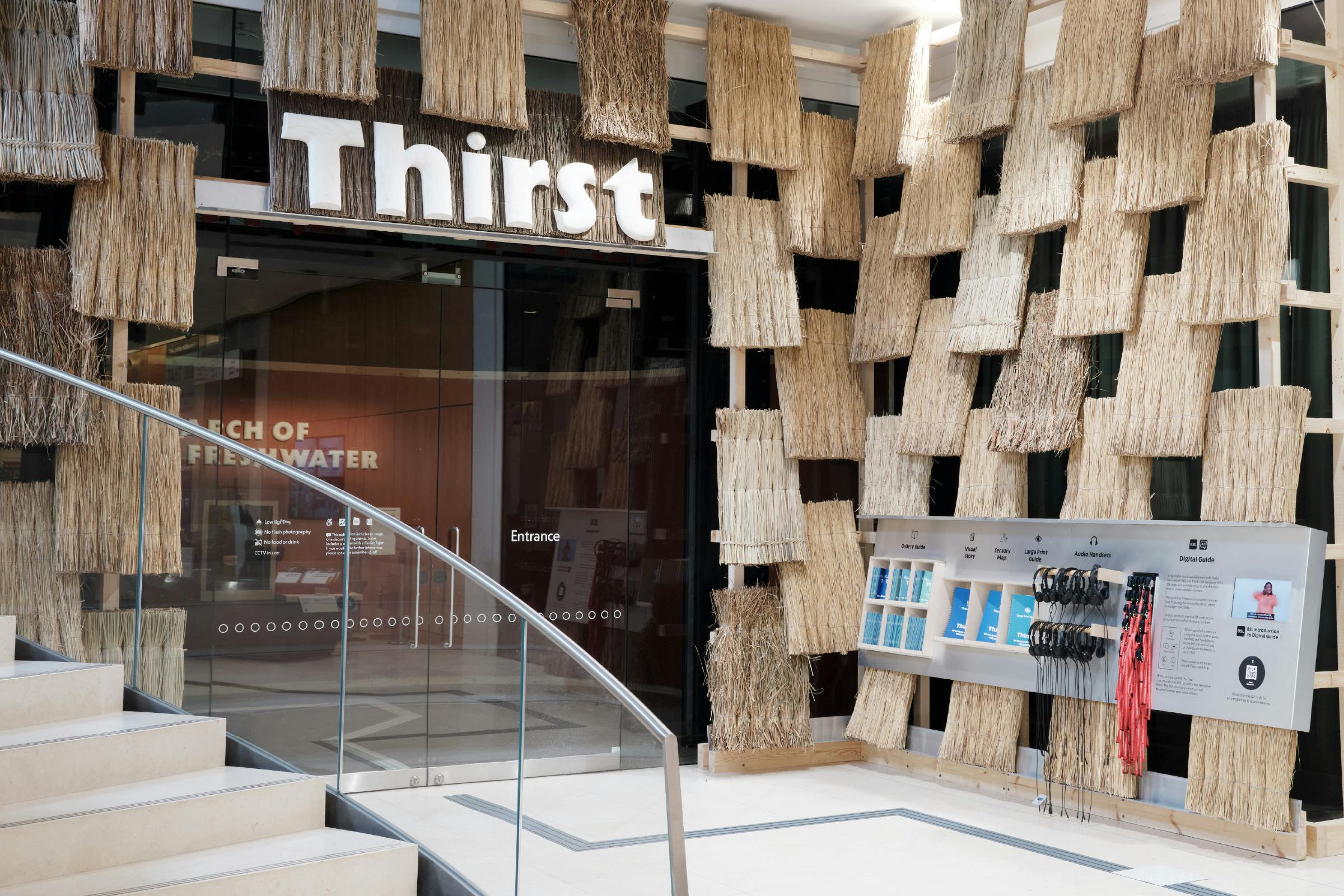
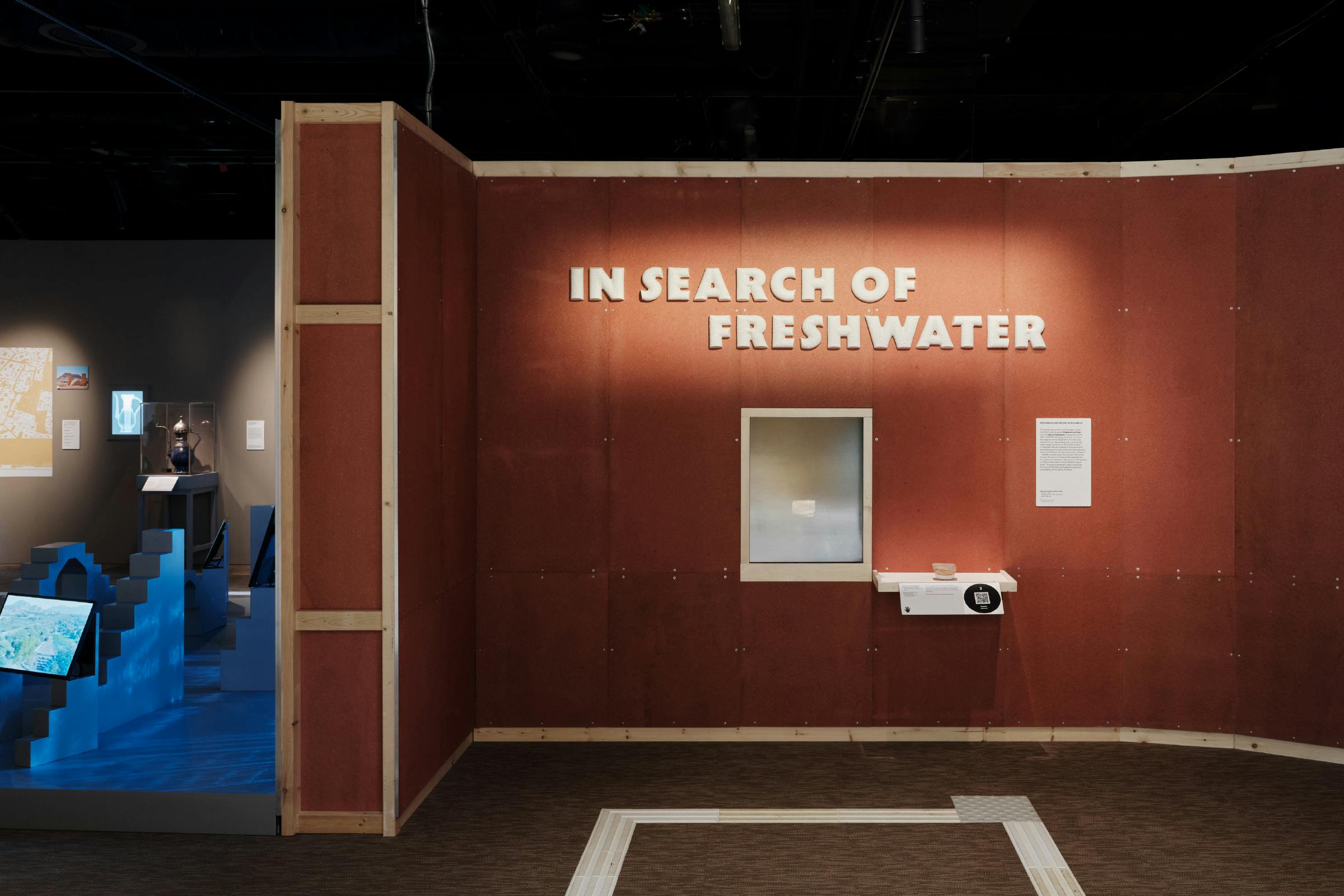
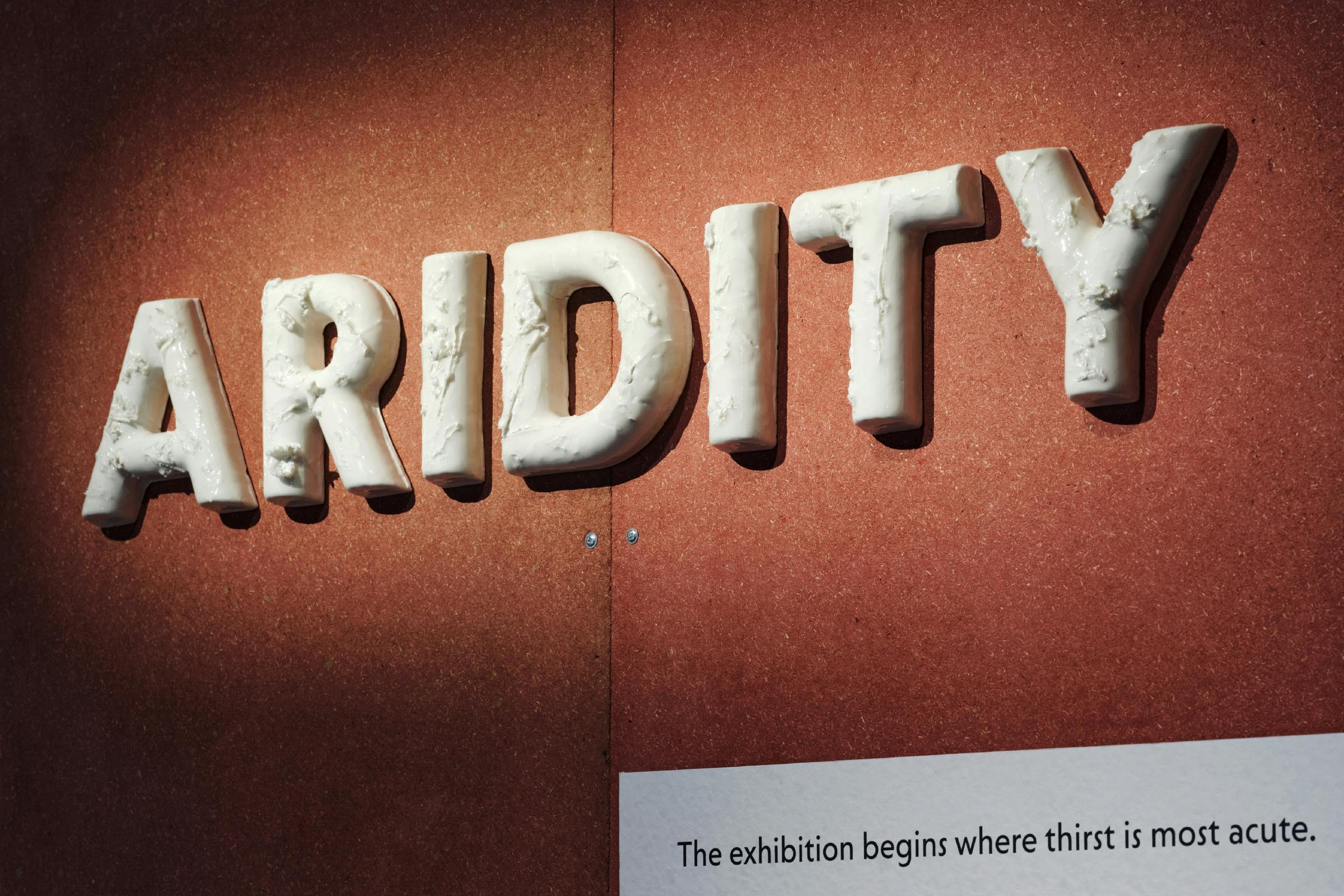
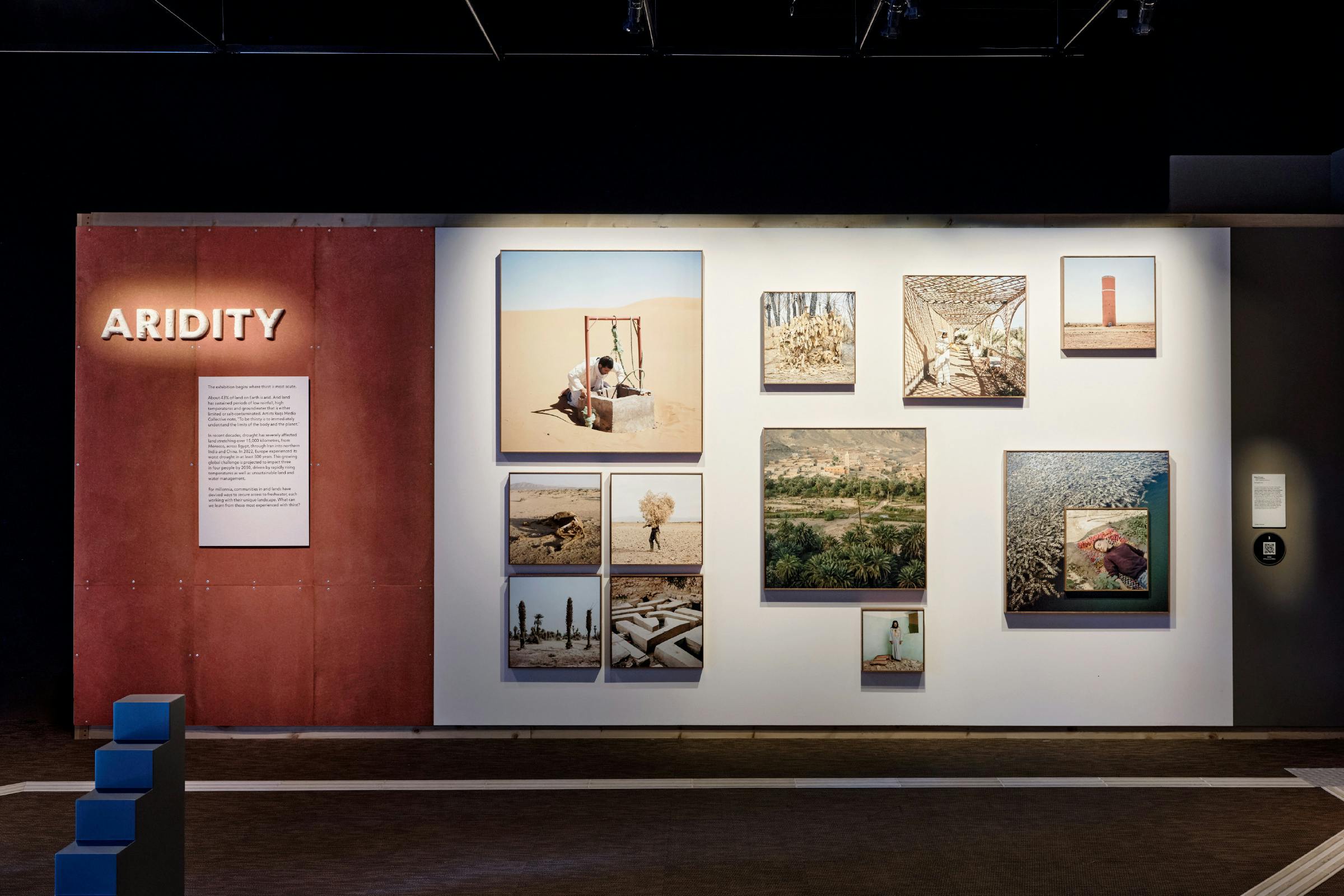
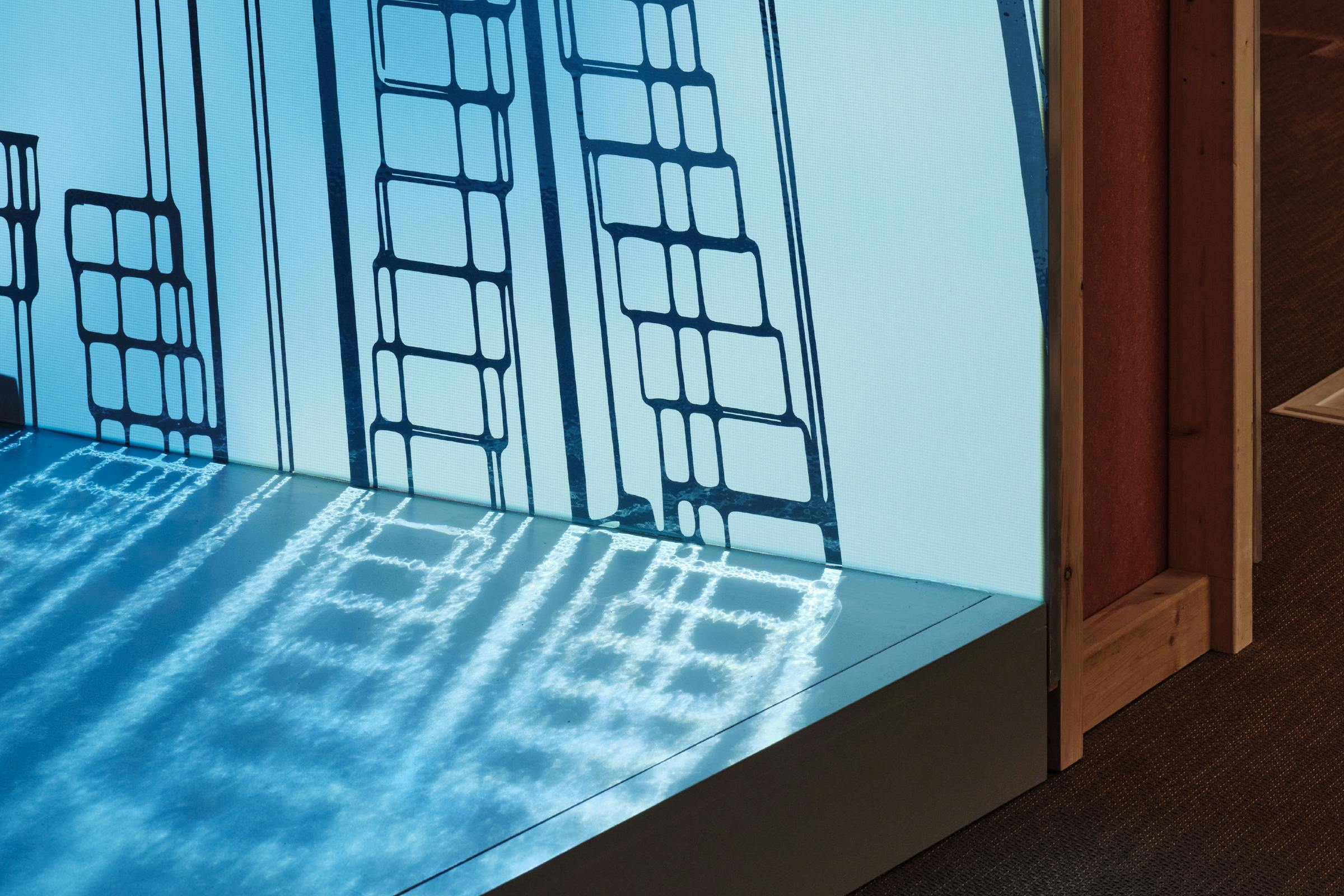
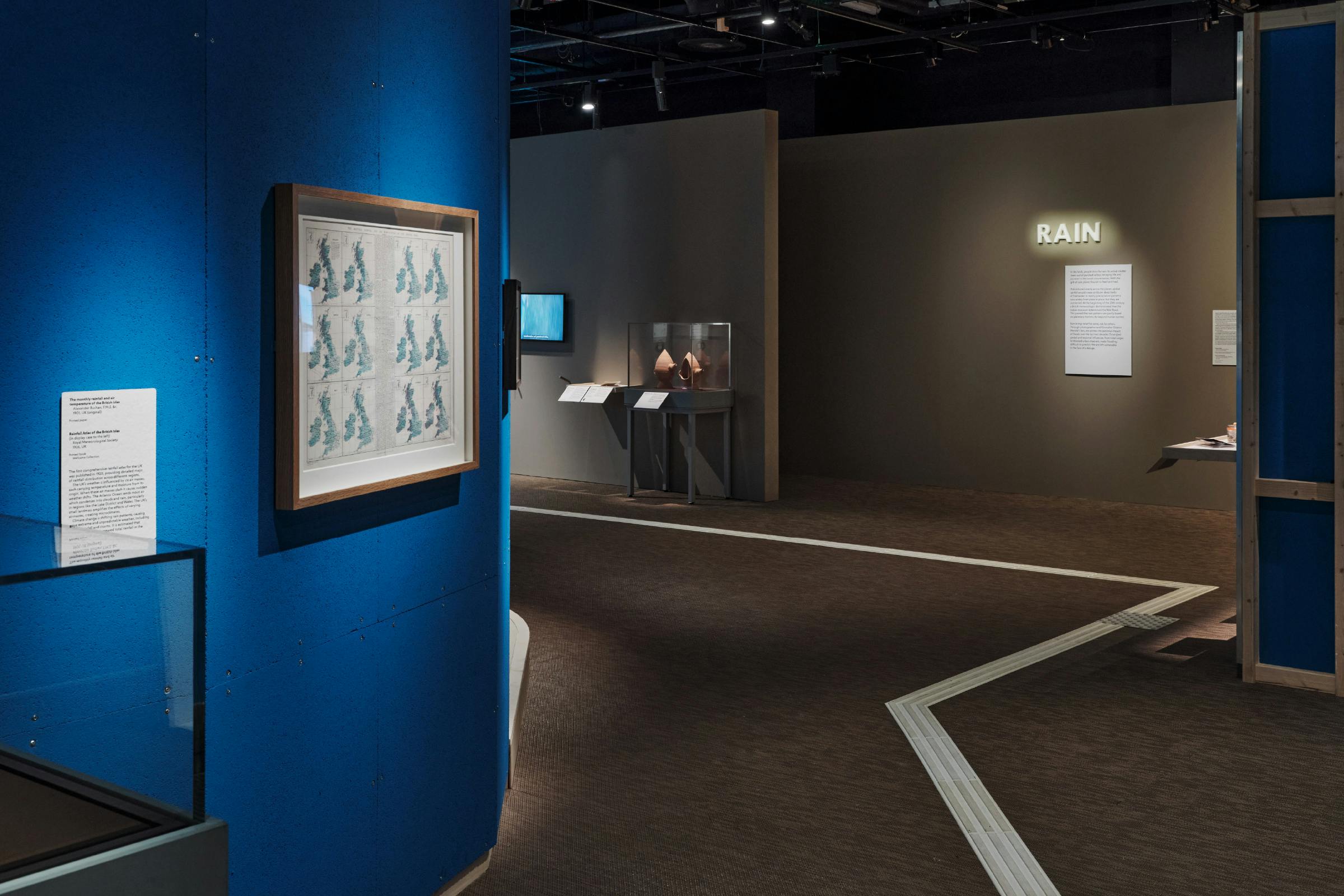
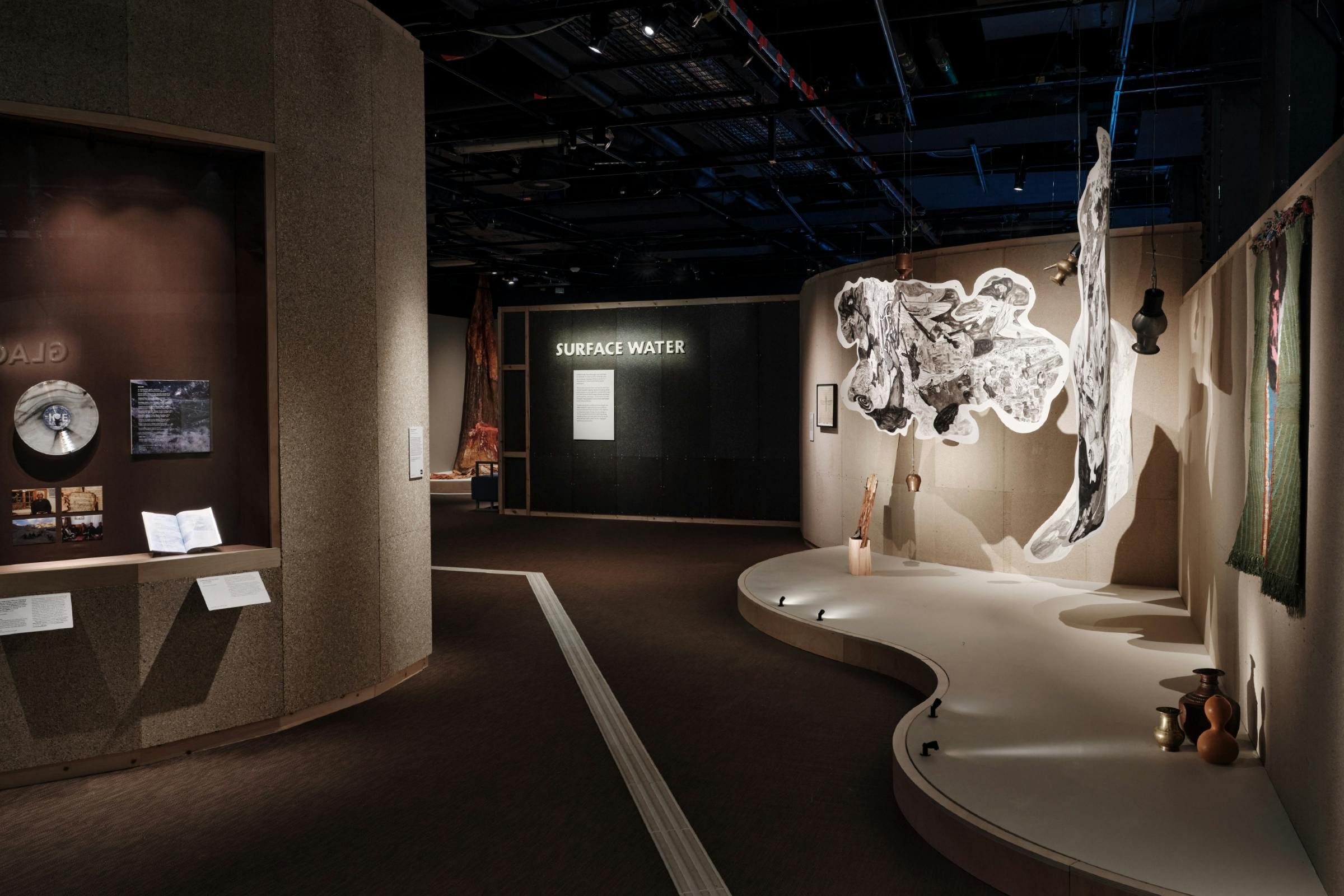
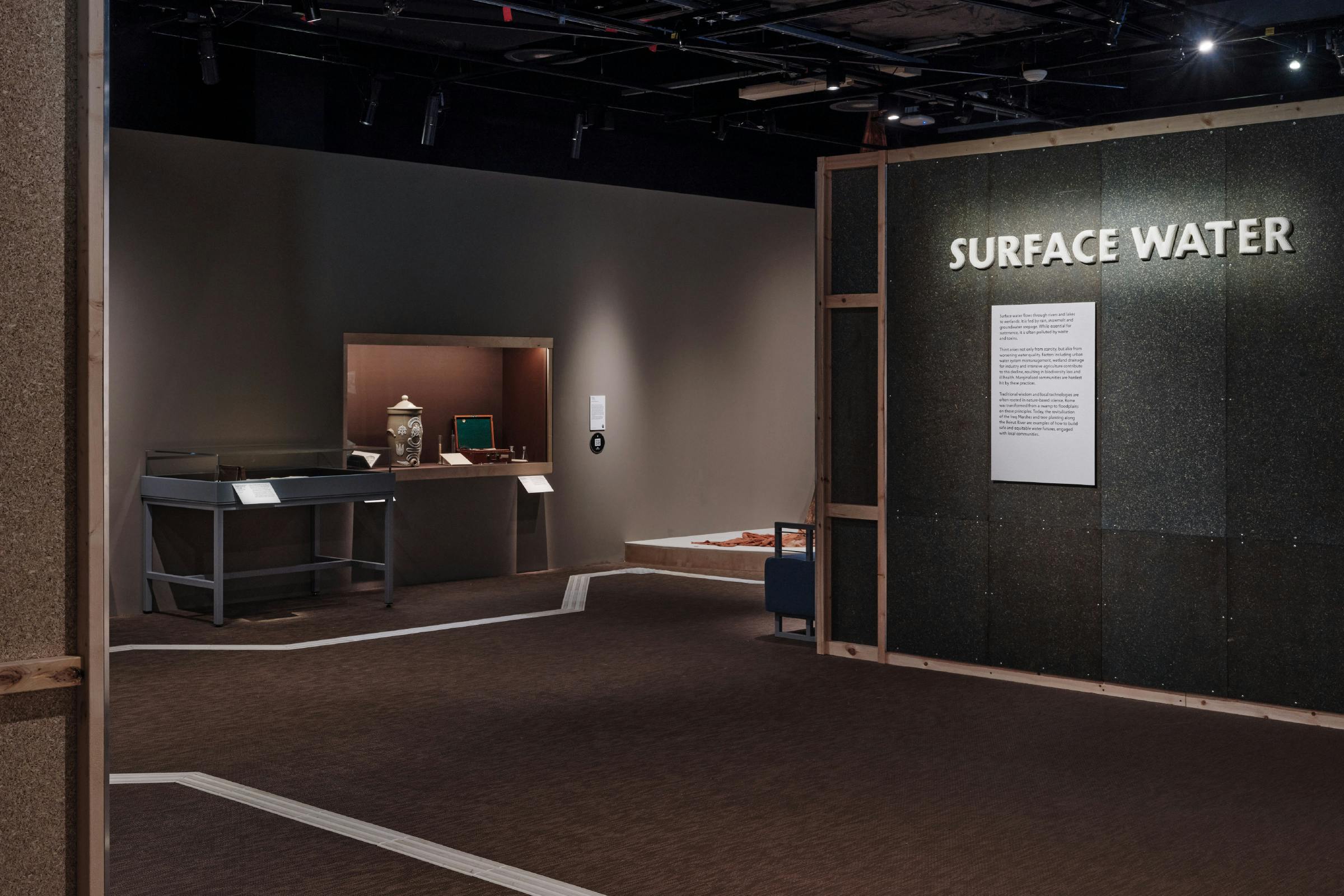
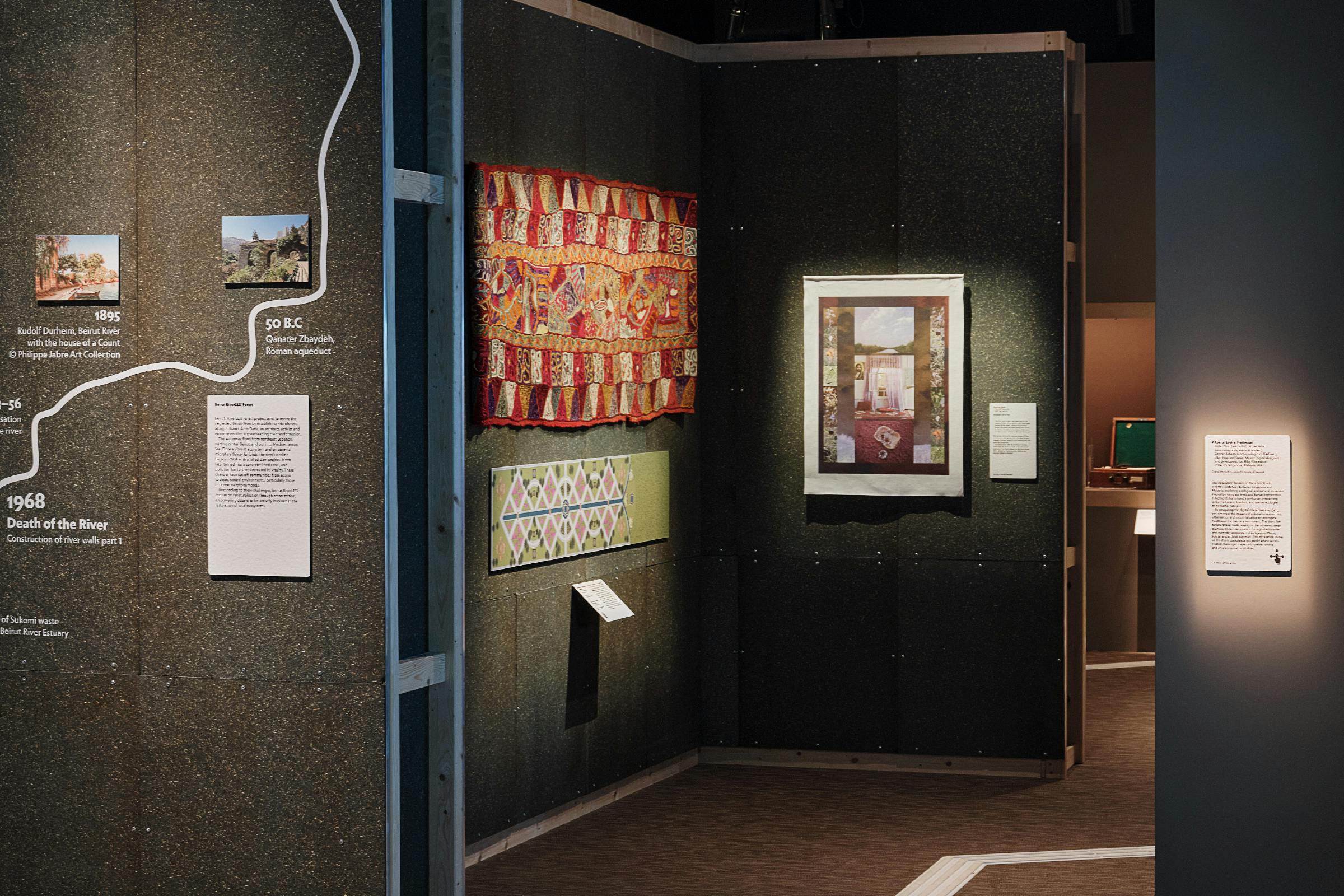
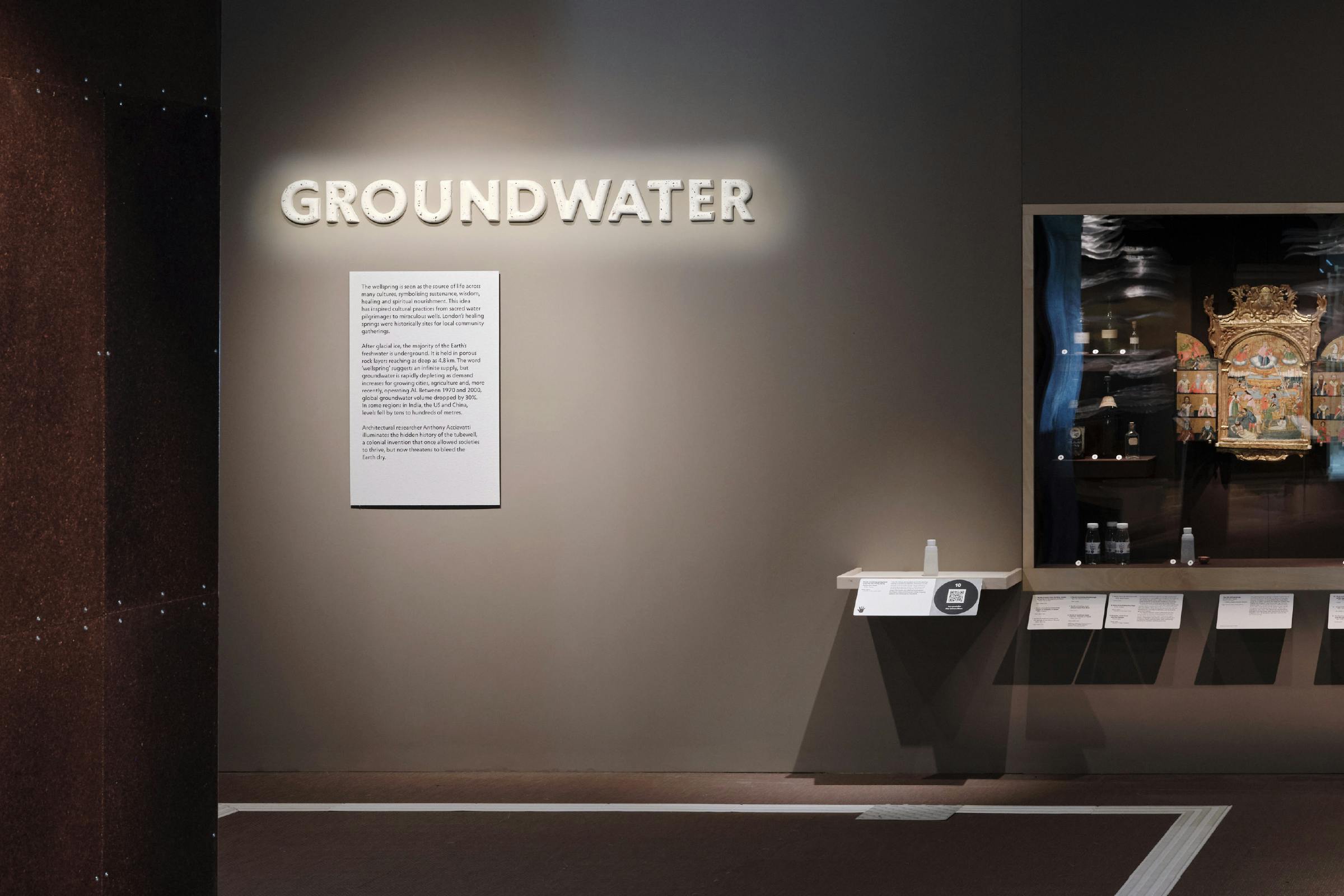
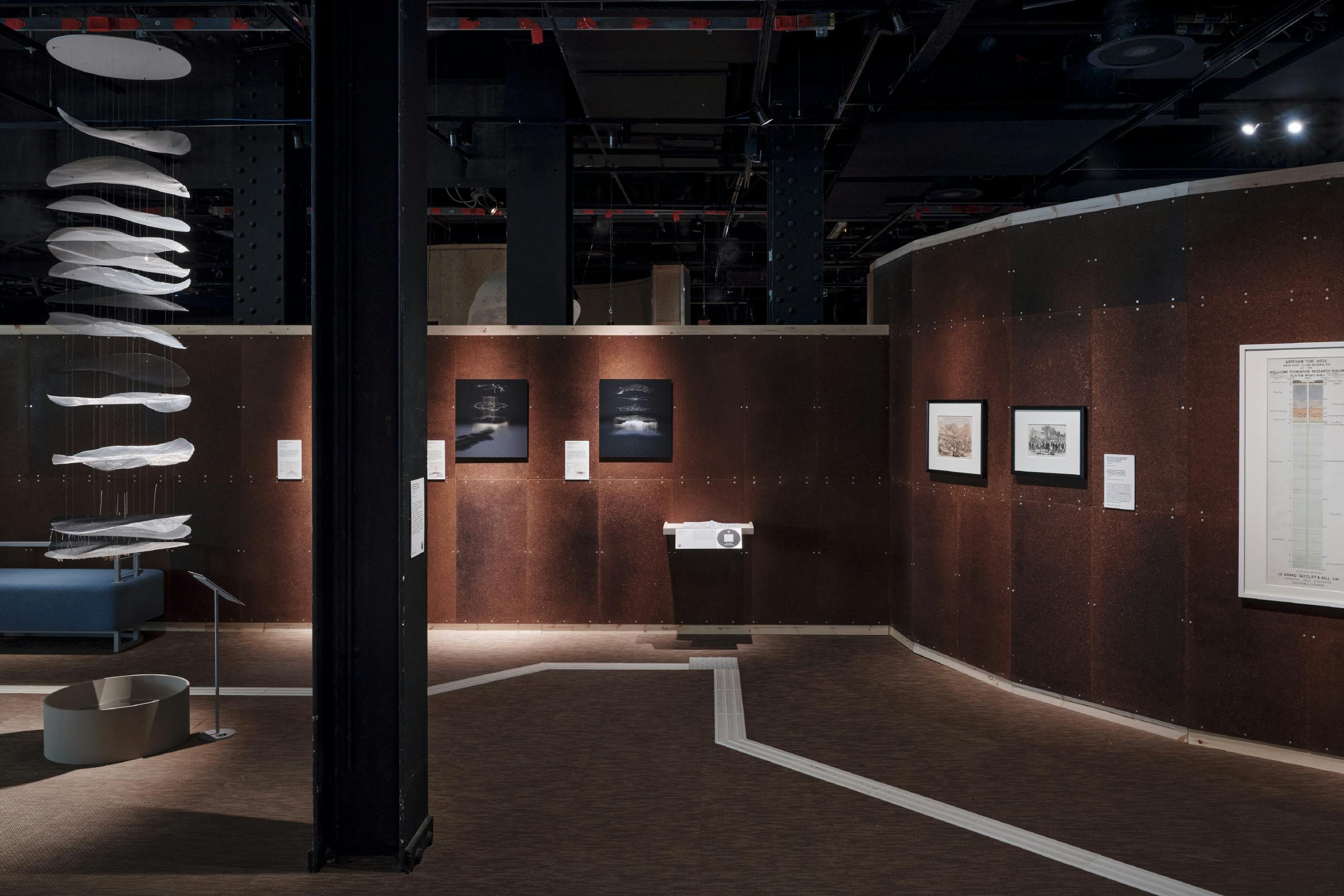
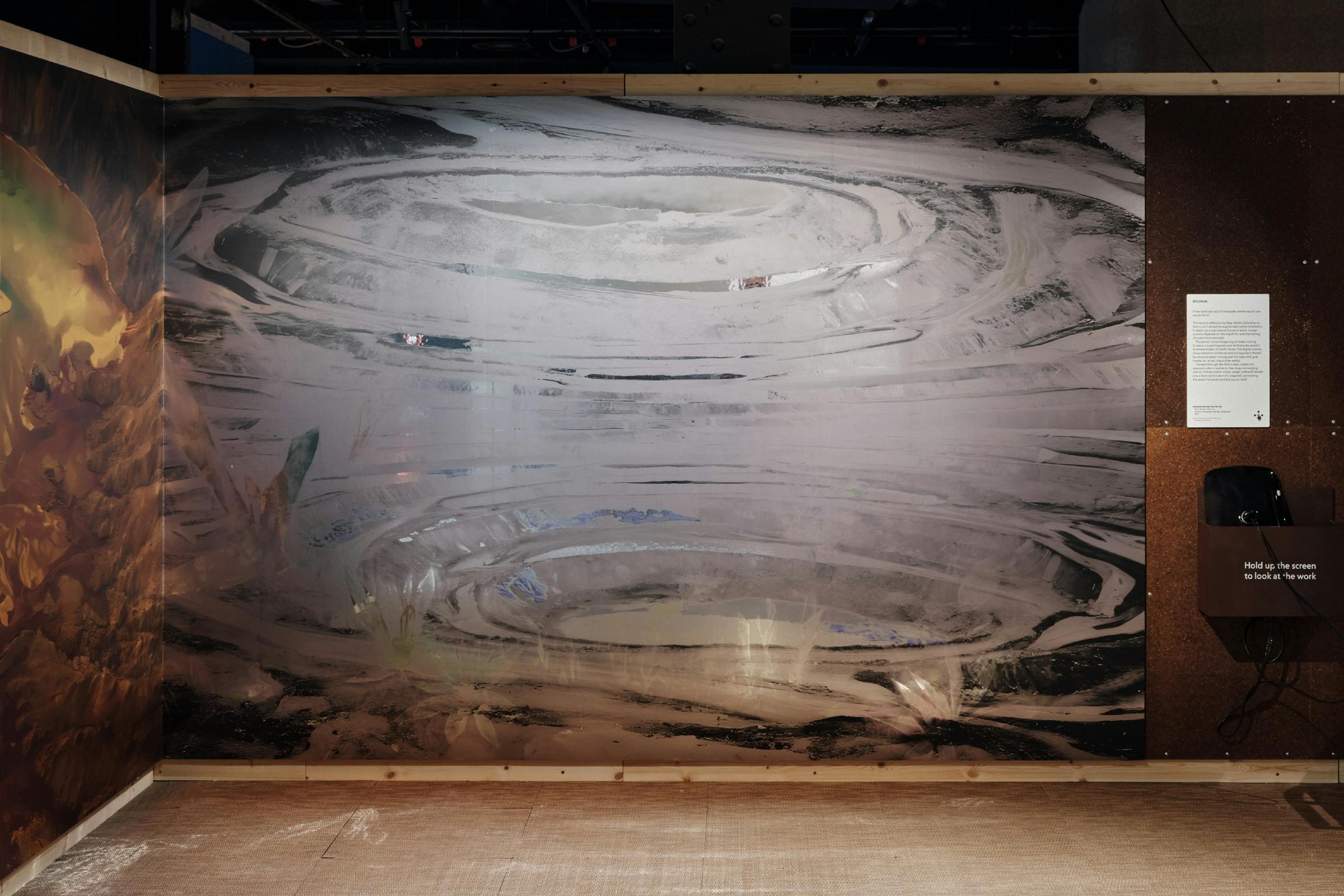
Thirst: In Search of Freshwater explores our connection with freshwater as an essential source of life and pillar of health through five distinct conditions – Aridity, Rain, Glaciers, Surface Water and Groundwater.
The exhibition includes a range of commissioned multimedia installations and historical objects, from ancient artefacts to contemporary materials that span time, landscape and cultures as a way to help understand the complex environmental and social relationships that humanity has with water.
Client
Wellcome Collection
Category
Exhibition
26 June 2025 – 1 February 2026
Curator
Janice Li
3D Design
Material Cultures
Ceramics
Charlotte Moore
Typefaces
ABC Solar
Photography
Thomas Adank, Charlotte Moore
Collaborating with Material Cultures, the exhibition design reimagines temporary structures and waste in museums through the use of innovative bioregenerative materials, traditional techniques, and the recycling of previous displays. All without compromising on conservation needs.
These include a thatch wall that wraps around the exhibition hall, building boards made of wetland reed fibres, hemp, straw, hand made paper, and ceramics partially constructed from locally sourced London clay. Each element is presented on a material board at the beginning of the exhibition to help decode the material language.
From the river bed to amphora, clay has been shaped and moulded by humanity for countless generations as a sustainable and natural way to store water.
Working with artist Charlotte Moore, we explored how to bring in ceramic interventions throughout the titling of the exhibition. Reacting to each shifting condition through experimenting with mixing ‘wild’ materials within the clay (combining stoneware with material from lost London rivers), through sculpturally shaping their form to echo riverbeds or impacting their surface with water droplets, and in how slips and glazes can create texture and luminosity.
The typographic language of the exhibition references various municipal interventions, from lettering found on ancient Roman water systems* to modern day swimming pools. Utilising a variety of weights of ABC Solar, a geometric typeface with flowing letterforms, throughout.
Interpretation is printed on a hand-made paper with organically created water drop markings, leaving a textured surface to the material.
Indenting text blocks create information hierarchy through a subtly shifting graphic form, accompanied with bold highlights to draw attention to key information.
A gallery guide accompanies the exhibition, with alternate covers that are print in shifting shades of colour, following a core principle found in the show that not all water is blue.
Format
148 × 210 mm
Extent
28pp
* The Romans were one of the first to innovate with municipal water systems in their towns. Lead water pipes (fistulae) – often inscribed with patrons’ names – supplied water to the homes of Rome’s wealthy citizens. This example was possibly from the house of Empress Messalina, third wife of Roman emperor Claudius, and is inscribed with her name. Terracotta pipes were used in towns, cities, and areas of larger population density, where they could be cheaply made and quicker to repair.