
Joy Gregory: Catching Flies with Honey
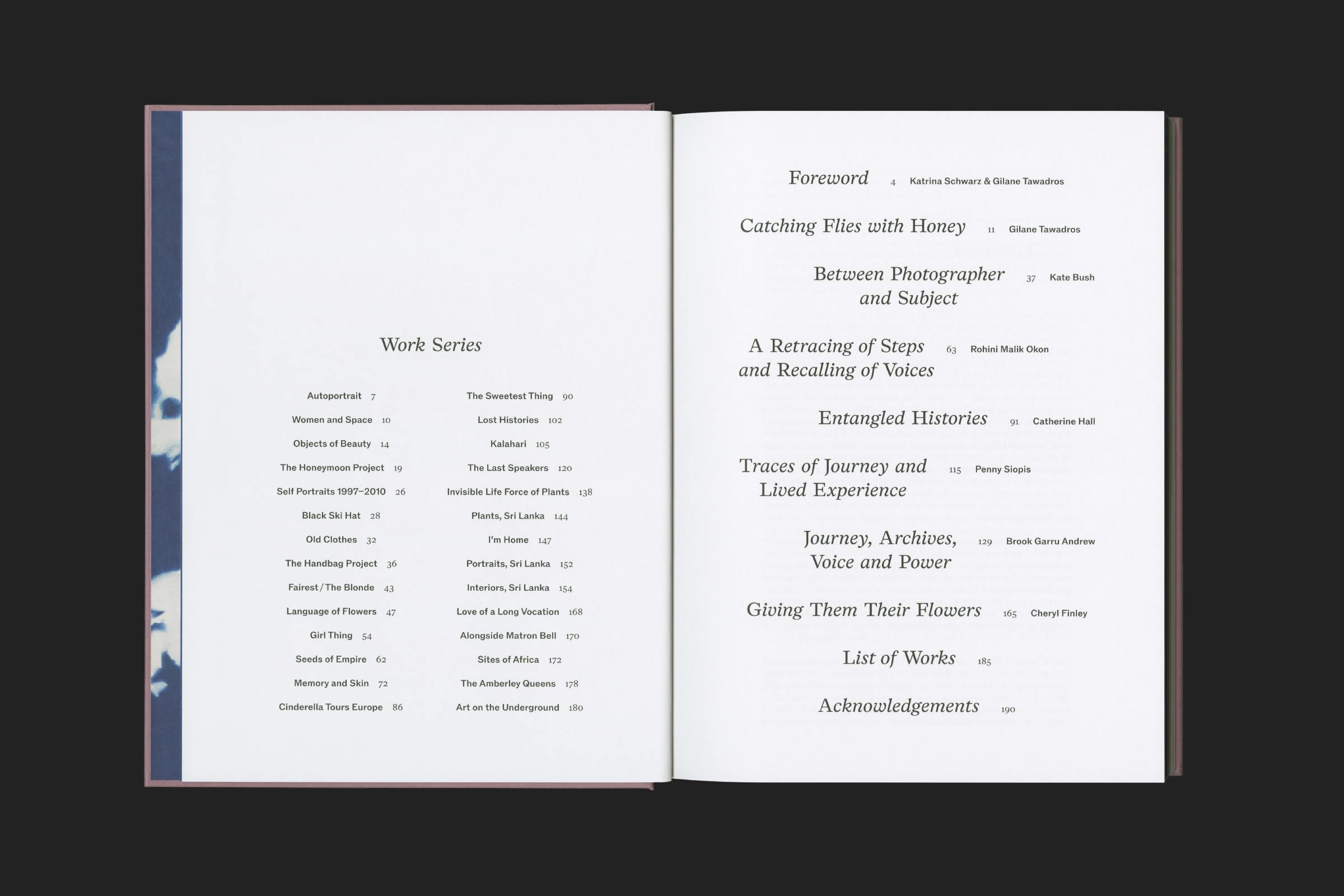
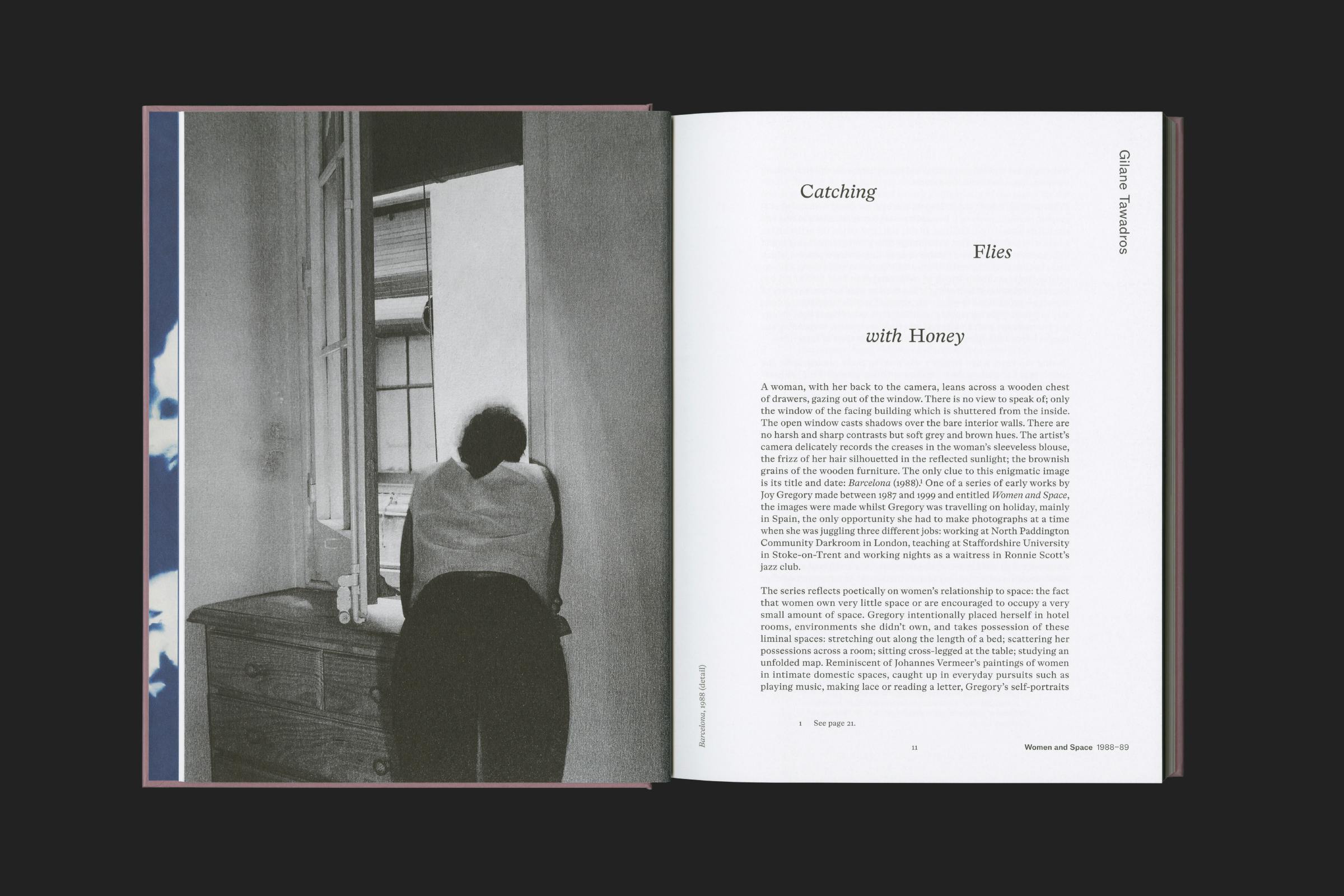
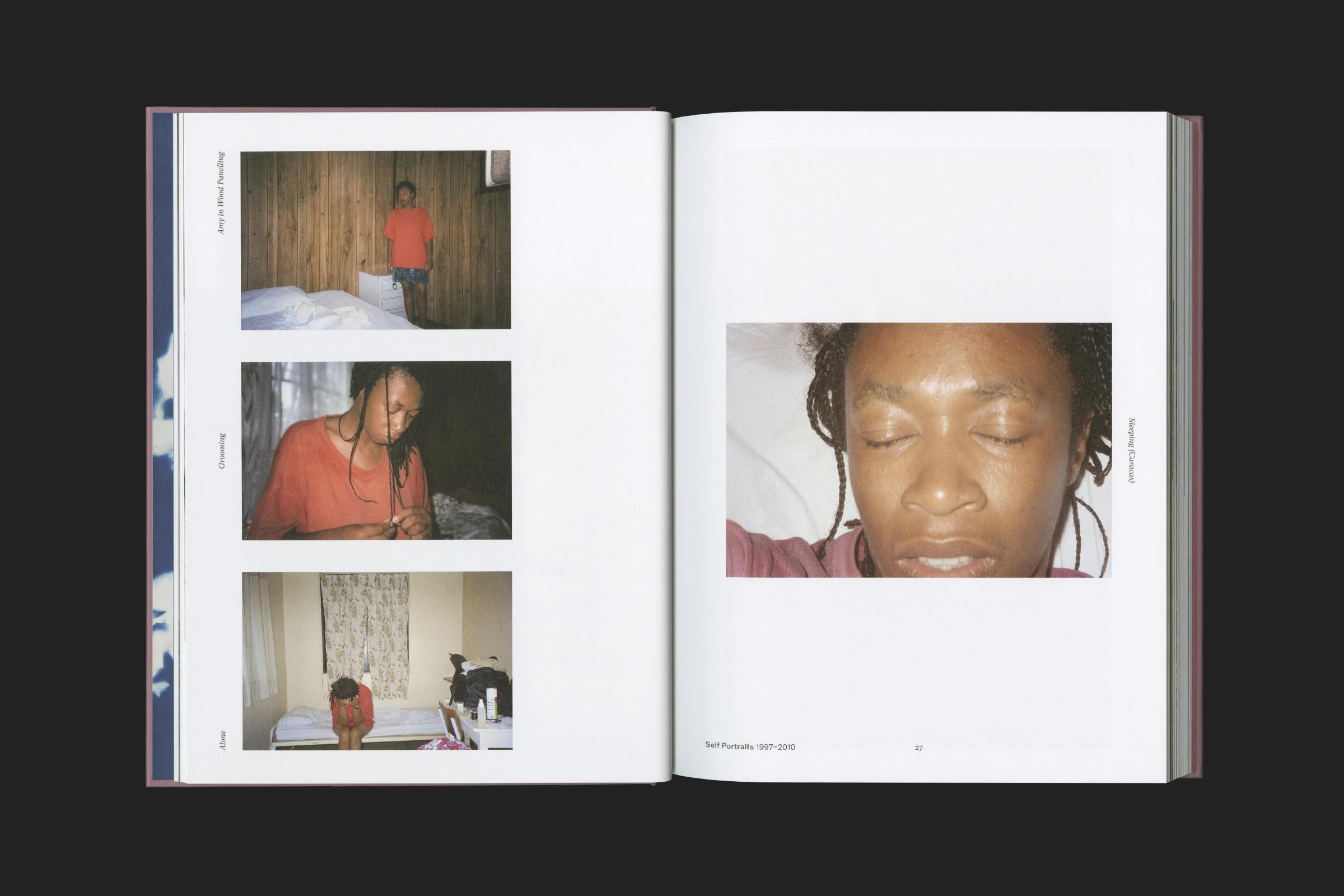
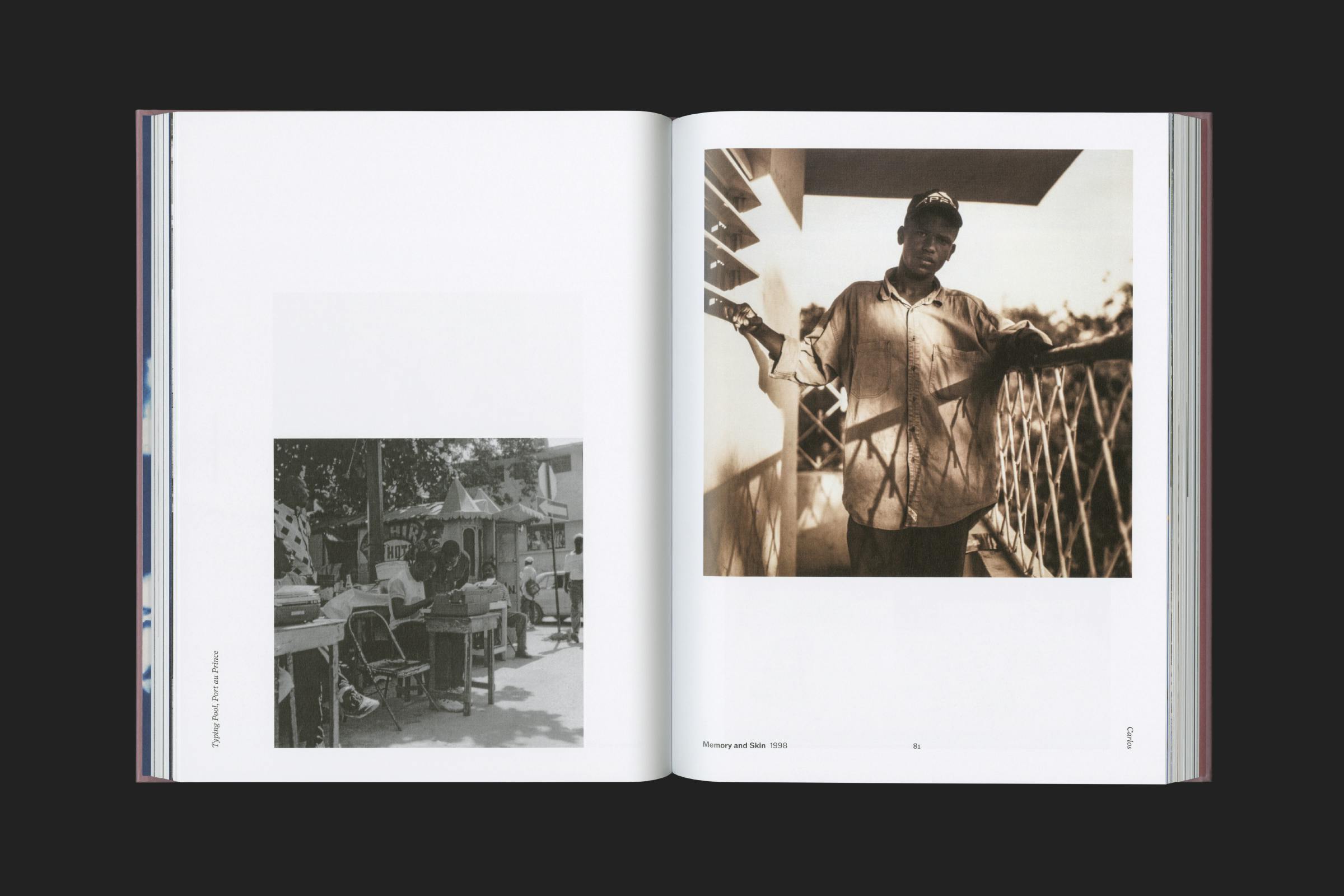


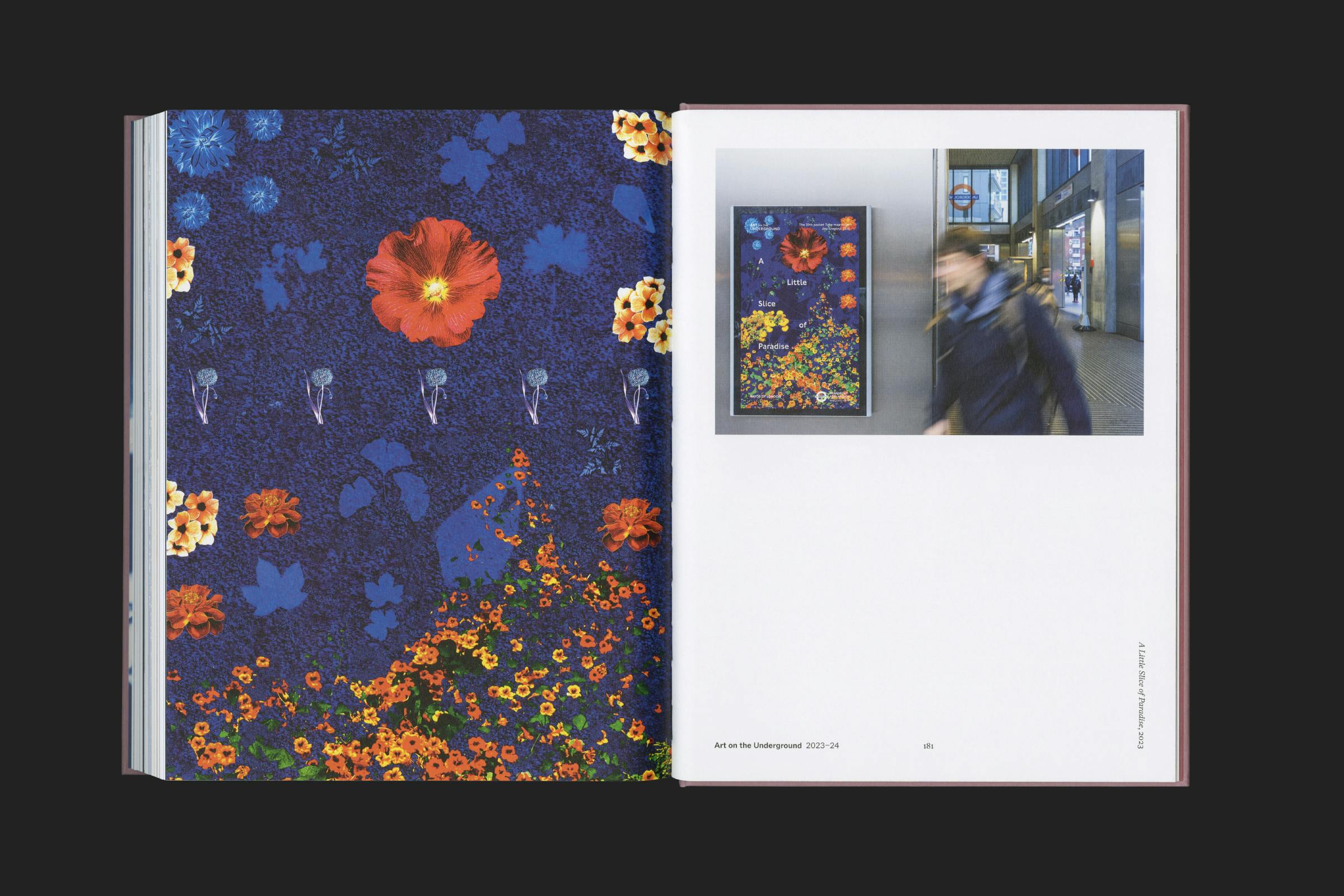
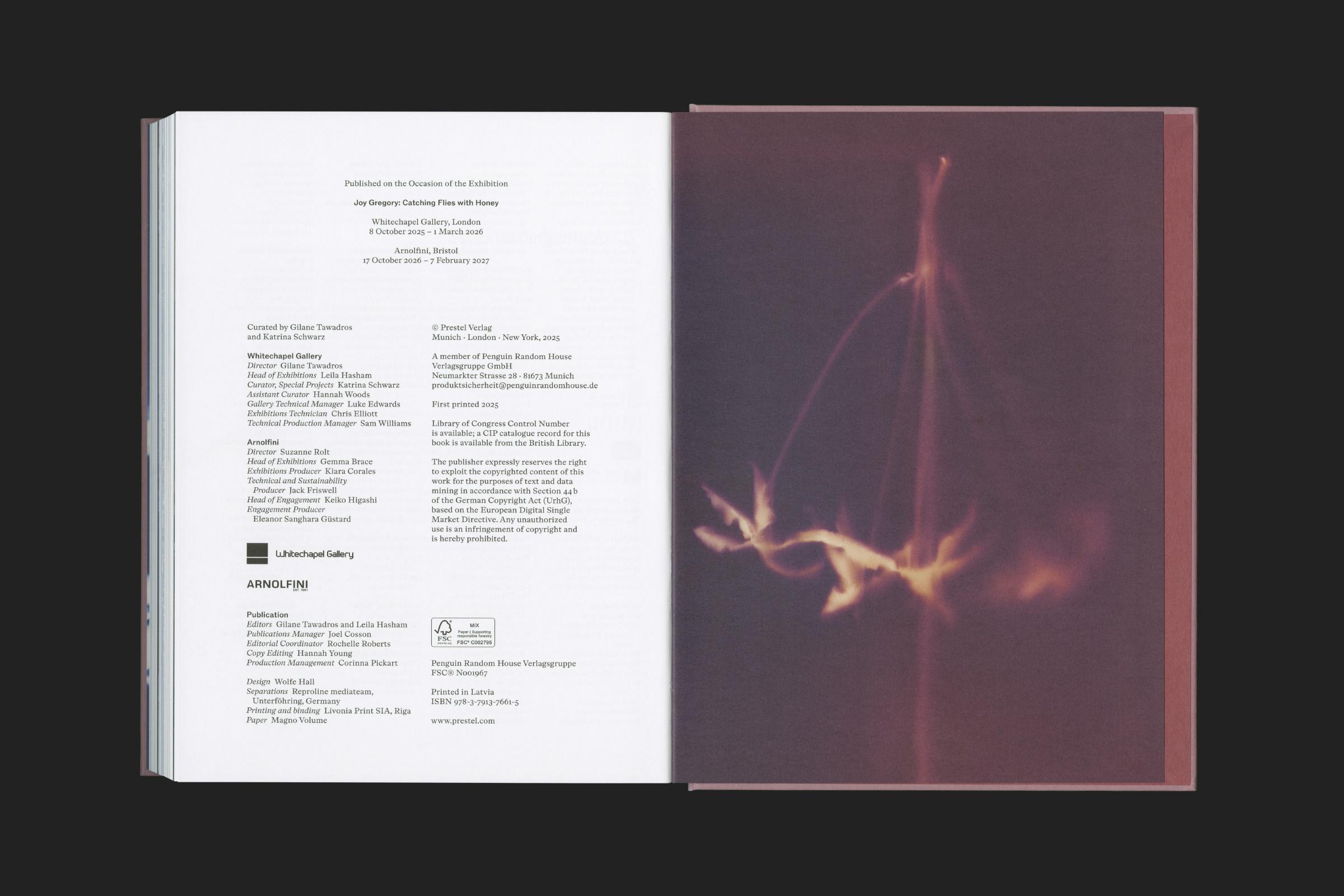

Catching Flies with Honey, is the first major survey show of the artist, Joy Gregory, whose culturally resonant and materially rich practice takes shape through a diverse range of media, ranging from photography, film, and installations, through to textile work. Since the early 1980s,
Gregory has been a pioneering force in contemporary photography, playing a critical role in its development nationally and internationally by challenging reductive expectations around what Black or feminist art should look like, and instead asserting a need for nuance.
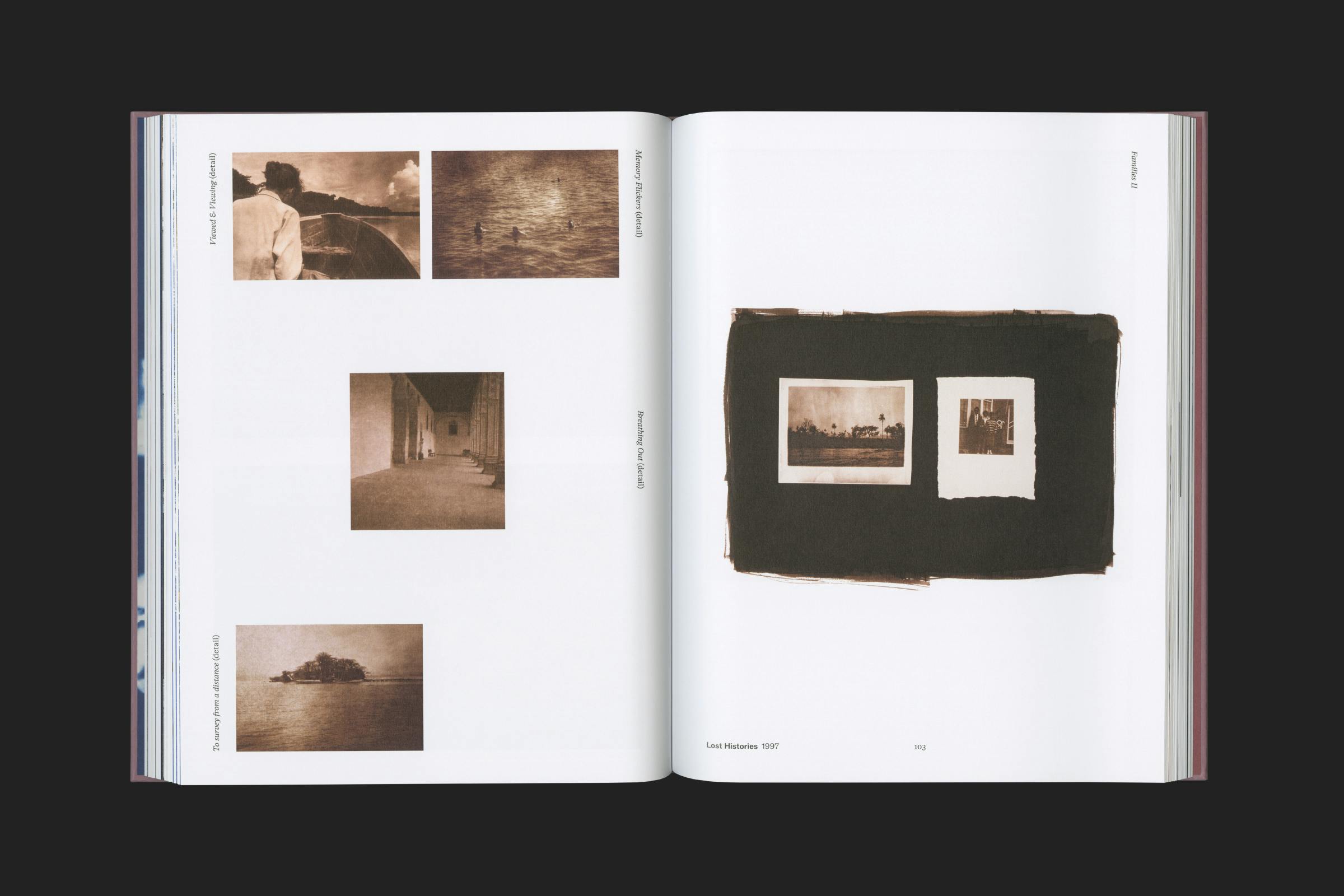
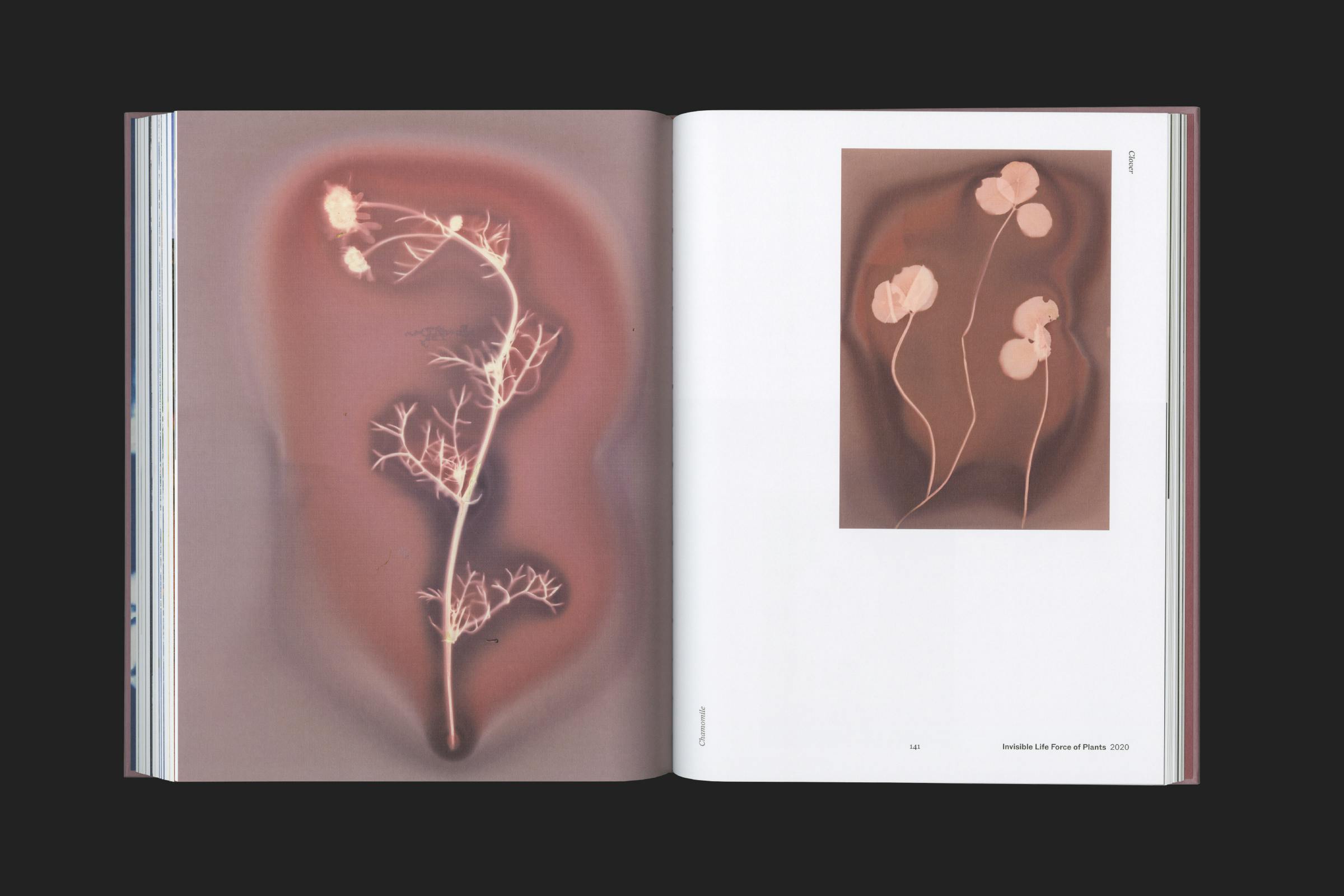
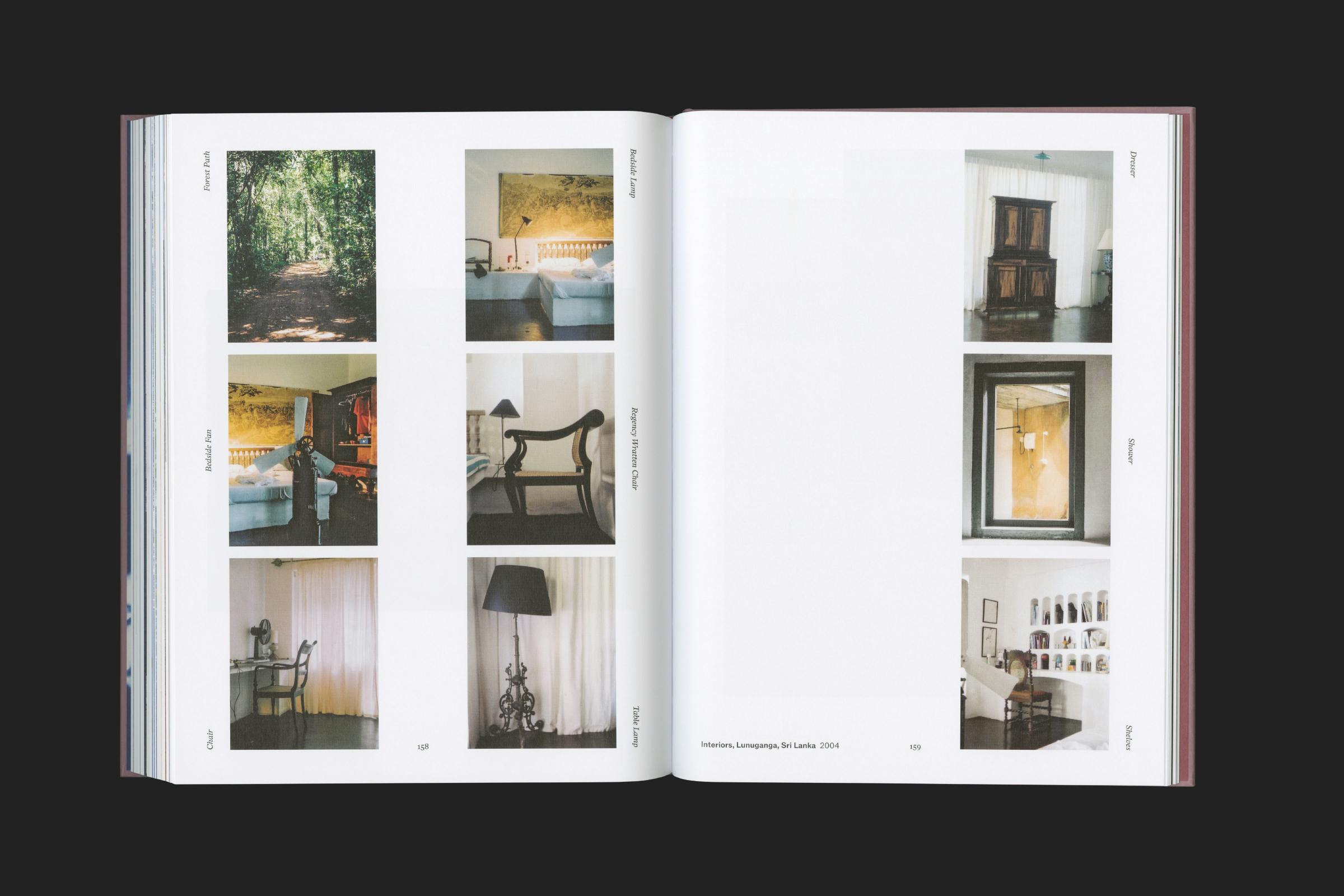
A large-scale retrospective publication accompanies the exhibition, dividing Gregory’s artwork into numerous series, with essays and an interview interspersed throughout.
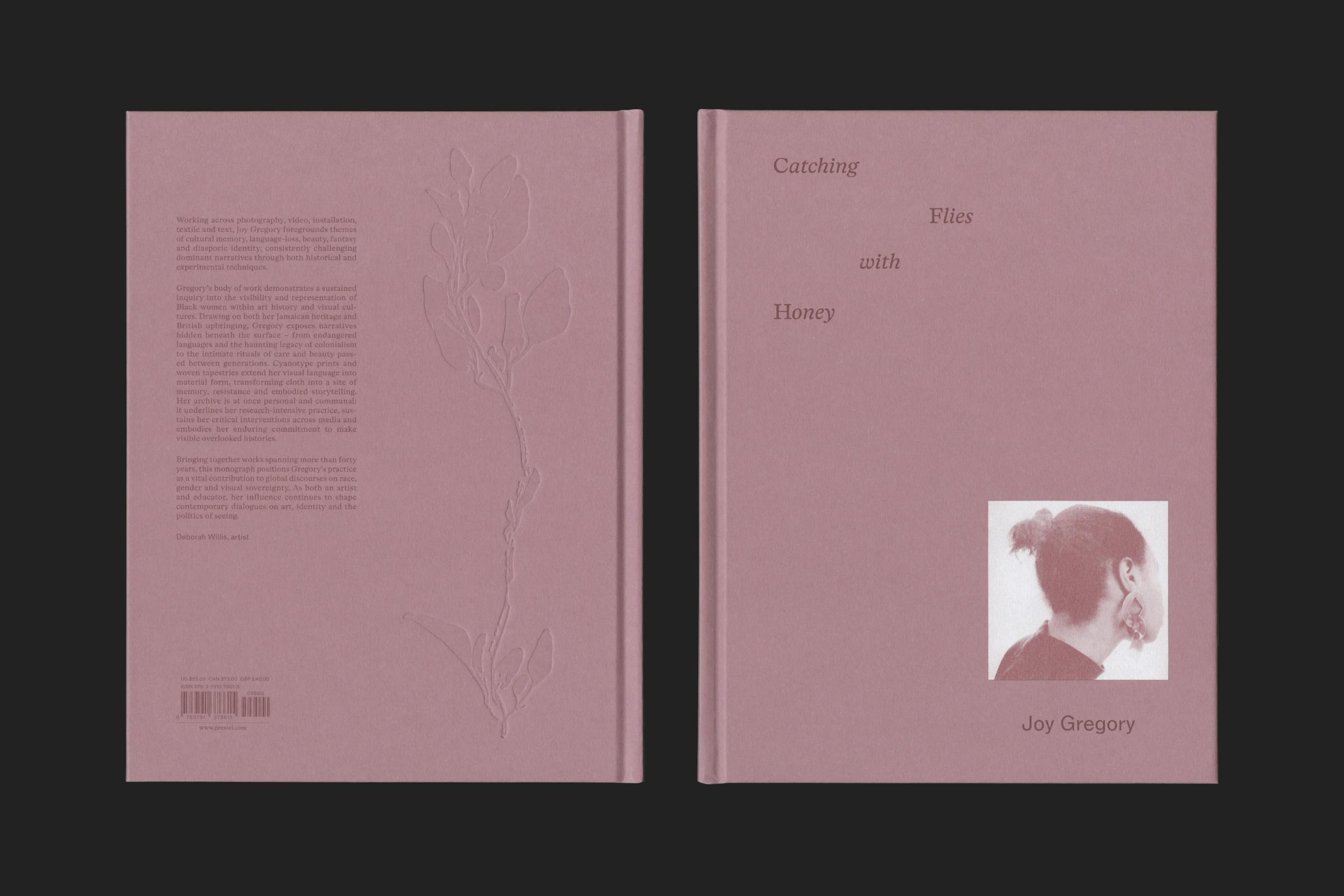
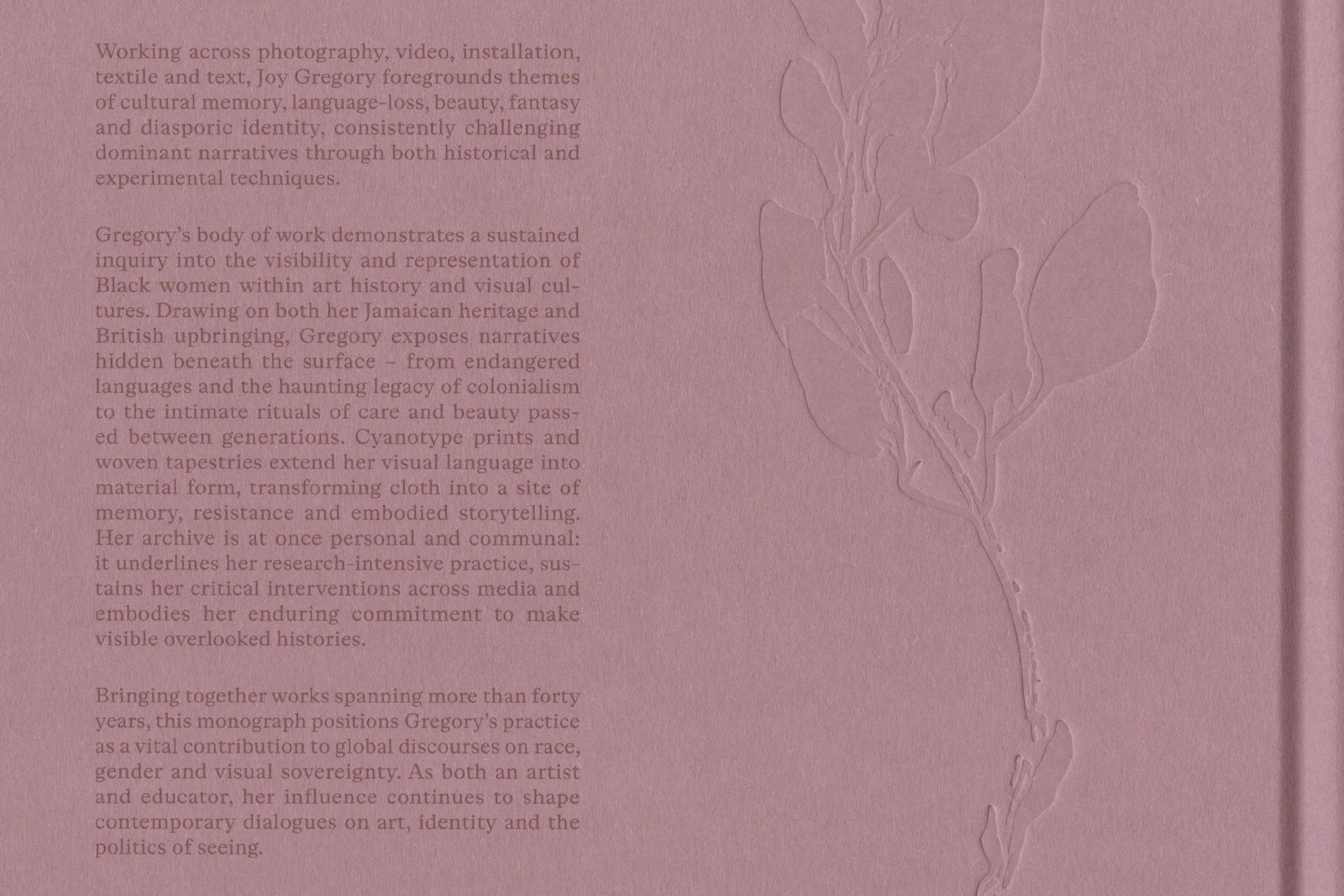
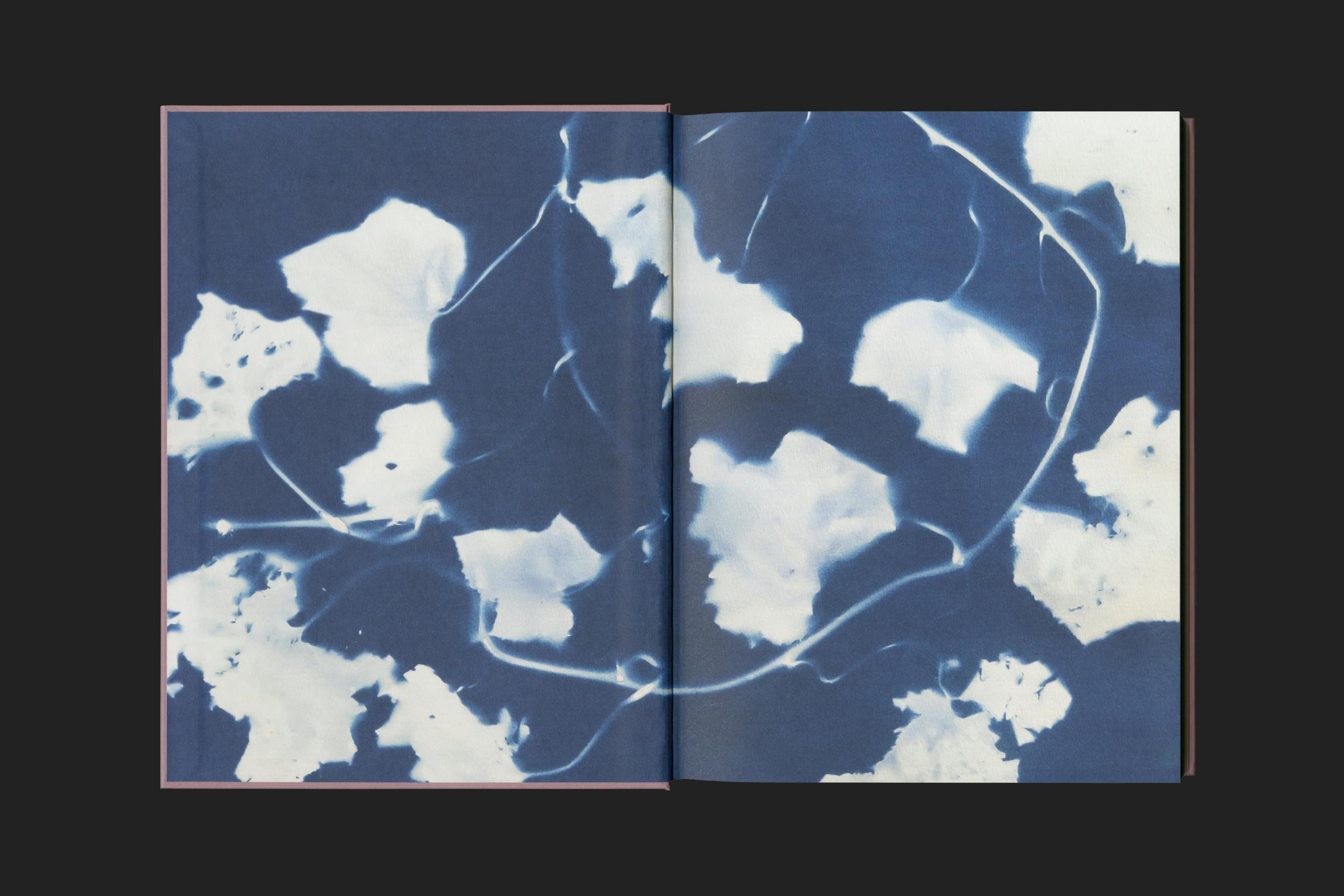
The cover poetically interplays typography and stylistic interpretations of a self-portrait and a blind-debossed branch of vegetation taken from Gregory’s cyanotype explorations.
A mix of serif and bolder sans serif typographic styles, positioned vertically, horizontally, and in more playful arrangements, along with a gridded, but scattered approach to laying out imagery, gives a less-formal approach to the design of the book, creating a rhythm as the reader moves through the book.
Titles are formatted with a mix of regular uppercase letters and italic lowercase letters, referencing decorative botanical notations, a linking theme that is found in several series of Gregory’s work.
Editors
Gilane Tawadros, Leila Hasham
Publisher
Prestel
Cover
Hardback
Format
210 × 275 mm
Extent
192pp
Binding
Section sewn
Finish
Digital white, blind debossing
Typefaces
ABC Otto, ABC ROM
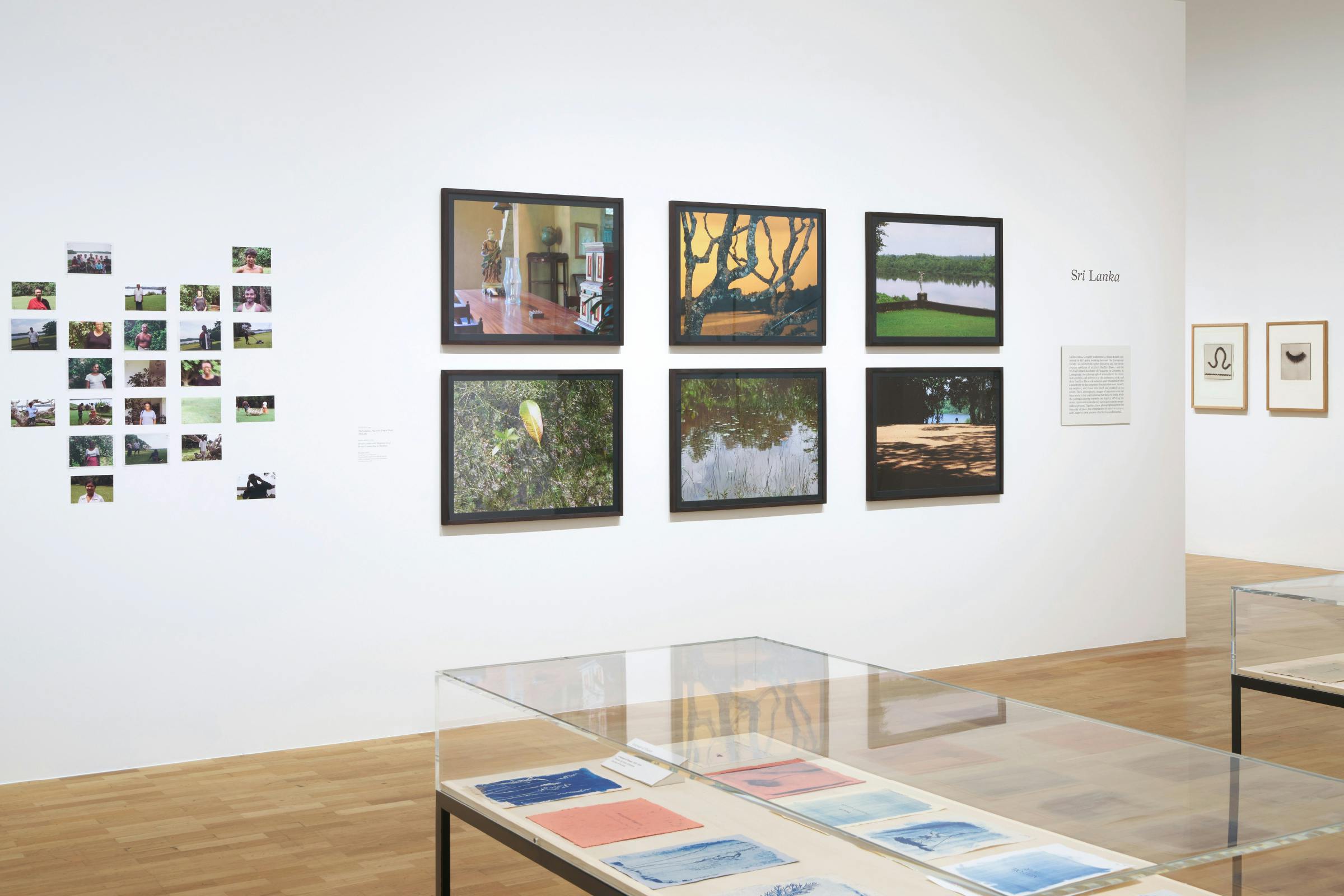
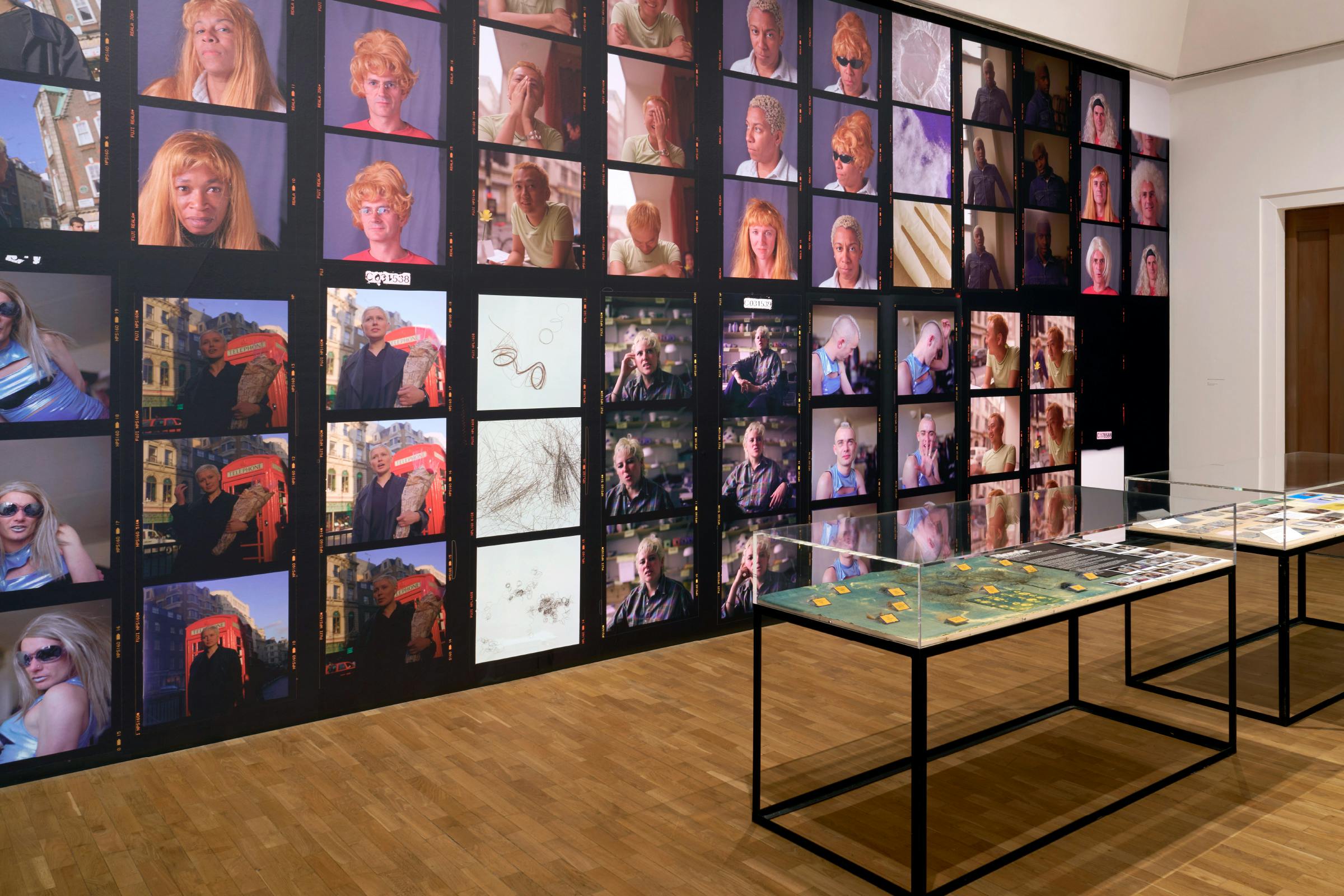
The exhibition design forms a simplified translation of decorative design elements found in the catalogue. Taking the stylised title formatting for each series of work, and using physical panels to create easy to locate points throughout the hang.
Curators
Gilane Tawadros, Katrina Schwarz
The series titles are sign painted directly onto the wall to give a human touch to the lettering. A subtle shifting variation rather than a perfectly mechanical reproduction.